
5 Best Uses of a 5-Gallon Gas Can for Fleet Vehicles
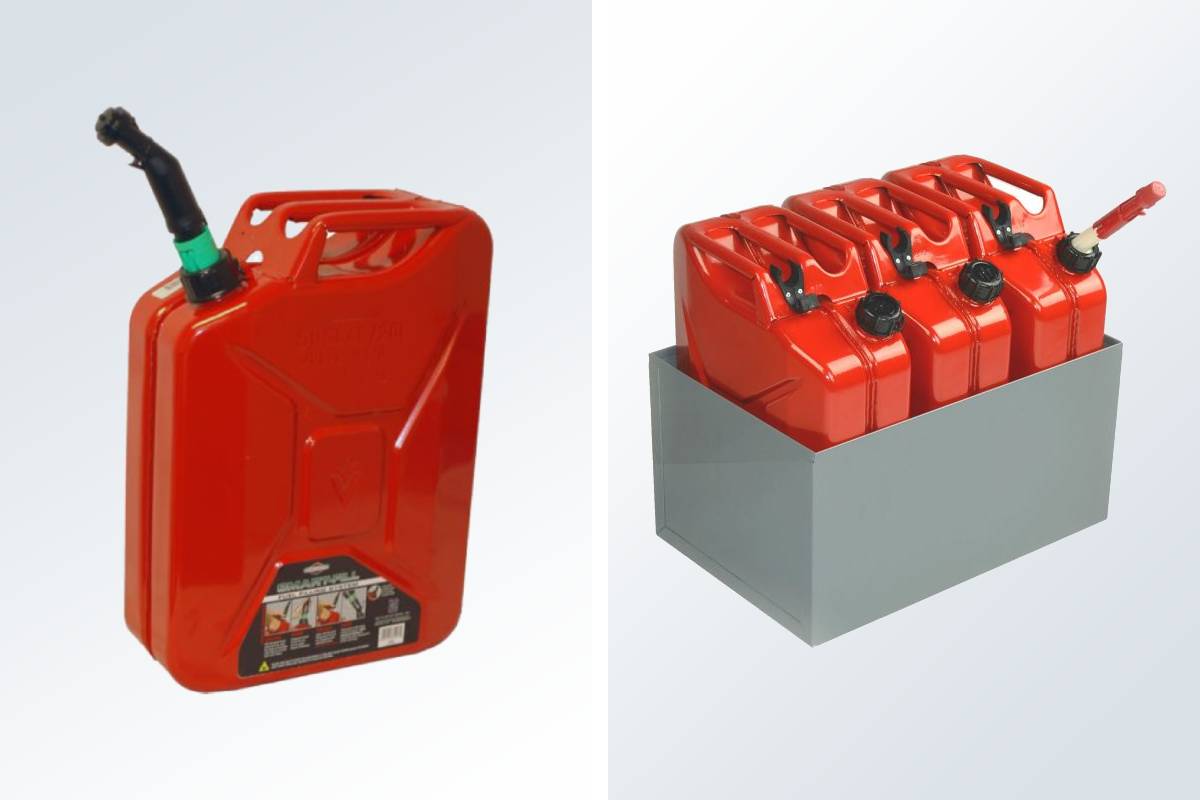
Fuel planning is part of everyday fleet operation, whether it's for keeping your vehicles running on site or making sure vehicles stay ready between service calls.
A 5-gallon gas can is one of the simplest tools a crew carries. Yet it solves several practical challenges that come up during normal workdays.
The size works well because it provides enough fuel backup. It's also useful without becoming difficult to handle or store inside a work van.
When stored correctly and matched to the right application, it supports better safety, efficiency, and vehicle organization.
In this blog, let's take a practical look at where the 5-gallon gas can be used and how to use them correctly.
How to Store and Transport Gas Safely in a Work Van
Use the following practices to reduce the risks and keep fuel easy to manage when you transport fuel inside work vans.
1. Secure & Store Your Container
While you are transporting, keep your container secure, follow :
- Use a mounted bracket, gas fuel can steel holder, or fixed stare positions
- Prevent the containers from sliding by sudden stops
- Make sure the container can be removed without using force
- Avoid stacking tools or materials against the gas can
Also, keep your gas can sitting properly to avoid inefficiencies such as
- Keep the gas can in a vertical position while driving or parked
- Never transport fuel on its side, even for short distances
- Helps prevent a slow leak caused by internal pressure
- Upright position protects seals and vent systems
2. Keep Your Gas Can in a Safe Storage Location
Placement plays as much of a role as the container designer. For example :
- Keep your fuel can away from batteries, inverters, or electrical equipment
- Store fuel separately if you carry sensitive tools and materials in your work vans
- Prefer areas that aren't exposed to sunlight but have natural airflow inside the cargo
- Avoid sealing fuel inside an airtight and open door briefly if you're driving long drives
3. Follow Safe Practices for Refueling & Checks
Make sure you do routine checks like checking the caps and gaskets for wear, cracking, or dents, damaged spouts, and swelling.
Beise placements and how you carry, next is to know safe practices when refilling your gas can, including :
- Place the gas can on the ground instead of refilling inside the vehicle
- Fill slowly to avoid pressure buildups or splashbacks
- Double-check caps to ensure they're secure for storage
- Include fuel containers in regular vehicle inspections
Plastic vs Metal Gas Can Comparison for Work Vehicles
Material choice helps in understanding how containers will perform over time. The right option depends less on presence and how the gas can be used throughout the workday.
Here is how you pick between plastic and metal gas cans.
| Feature | Plastic Gas Can | Metal Gas Can |
| Weight | Lightweight and easier to carry repeatedly | Heavier but more stable when stationary |
| Durability | Handles normal daily use well | Built for rough handling and jobsite abuse |
| Corrosion Resistance | Will not rust | Needs coated or galvanized protection |
| Temperature Performance | Can expand slightly in heat | Performs consistently in extreme temperatures |
| Maintenance | Minimal upkeep | Requires occasional inspection for dents or wear |
| Best Use Case | Service vans and frequent refueling tasks | Construction fleets or harsh environments |
| Cost Over Time | Lower upfront cost | Longer lifespan under heavy use |
Practical Uses of a 5-Gallon Gas Can for Fleet Vehicles.
To make your 5-gallon gas work best, here are practical ways to do it.
1. Keeping Your Equipment Running On Site
Equipment like generators, pressure washers, and cutting tools rarely operate near fuel stations.
Having fuel available reduces you from taking work stoppages and keeps your crew focused on the daily operation.
2. Perfect for Emergency Fuel Backup
Unexpected delays happen, such as traffic, added service calls, or route extensions. A stored gas can provide backup fuel to reach the next station safely.
3. Helps You in Remote Work
Having a 5-gallon can of fuel in emergencies, especially in remote or large construction areas. Portable fuel allows continuous work without repeating trips off-site.
4. Makes Work Easier for Maintenance Tasks
Small fuel quantities help in preparing vehicles, testing engines, or repositioning equipment. With a gas can, maintenance teams also simplify their tasks.
5. Adds Better Control Fuel Transfer
A portable container helps in better control of refueling compared to improvised methods. Label them correctly to maintain organized maintenance workflows.
CARB and EPA Gas Can Regulations Explained for Fleet Vehicles
Modern gas cans differ from older designs because of emissions and safety regulations introduced by the EPA and CARB ( California Air Resources Board).
A CARB-approved gas can include engineered features that reduce fuel evaporation and accidental spills. This also means having vapor control mechanisms, self-closing spouts, and leak-resistant seals.
While regulations are oriented in specific regions, manufacturers now follow these standards broadly. It makes sure to comply with containers common across the industry.
These designs serve a practical purpose beyond compliance to meet safety expectations, along with reducing fuel loss, improving handling safety, and create consistent usage.
Best Gas Can Storage Solutions for Work Trucks and Vans
Where the gas sits inside the vehicle determines whether it's going to improve your efficiency or end up creating more problems.
Here are some effective setups to secure your container for better
| Storage Method | Where It Works Best | Why It Helps |
| Wall-mounted bracket | Cargo vans | Keeps the can from sliding around and clears up floor space |
| Partitioned storage zone | Vans with shelving installed | Keeps fuel separate from tools and supplies |
| Exterior compartment | Service trucks | Moves fuel outside the main cargo area and reduces fumes |
| Low shelf placement | Organized van setups | Easier to reach and keeps the weight lower in the vehicle |
| Dedicated fuel holder | Standardized fleet builds | Same storage setup across vehicles, so crews know exactly where it is |
Conclusion
A 5-gallon gas can remains one of the most practical additions to your fleet vehicle. It helps in solving your everyday challenges without complicating operations.
Also, secure your equipment running without requiring route changes and the simplest maintenance tasks.
To pick the right one, make sure you choose the right material, follow safe transport practices, and integrate storage into your vehicle organization.
AmericanVan makes it easier as we provide industrial-grade quality to ensure safety and operational efficiency.
Explore Gas Can for Your Fleet Operation at AmericanVan Store